First trip to Europe: 10 things to know before you go, from almost 900 replies
October 8, 2026 · 11 min de lectura
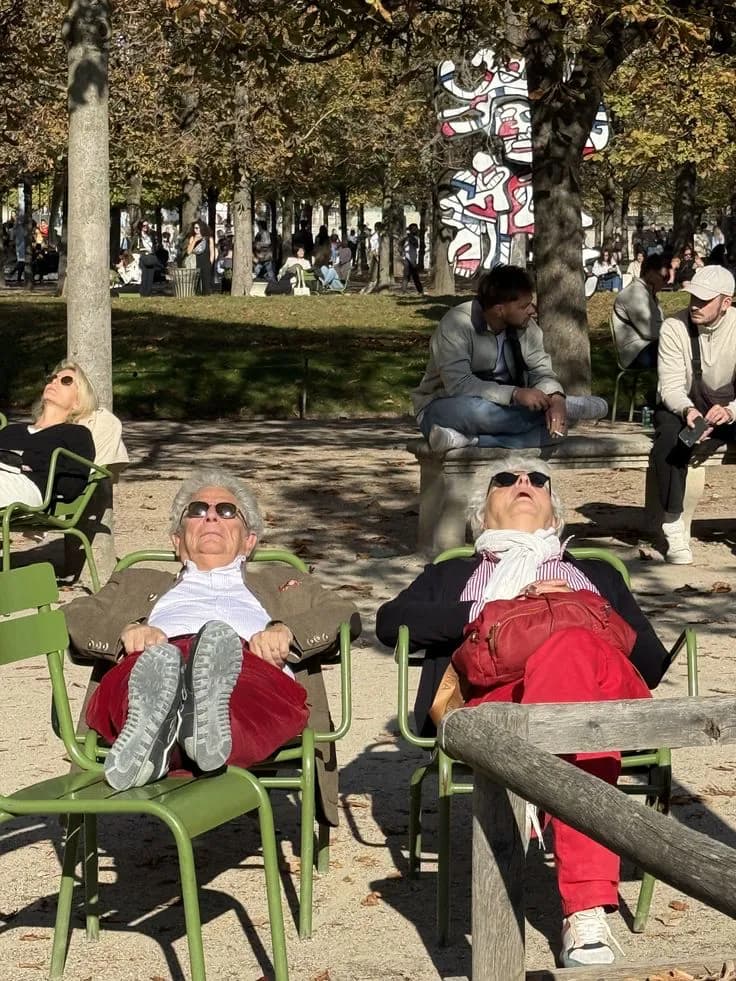
We asked on Threads what Americans should mentally prepare for before a trip to Europe. Almost 900 replies later, we had travel tips, funny stories and a few strong opinions. Once we set the debates aside, the same things to know before traveling to Europe kept coming up again and again.
None of it is a secret. It's the small stuff nobody mentions until you're standing at a train station turnstile without a coin, or staring at a restaurant bill wondering what "coperto" means. Below are the 10 tips that came up most, plus a short checklist for before you fly that we put together ourselves.
One thing first: Europe is not one place. It's dozens of countries with their own languages, money and habits. So whenever a tip only applies to some of them, we name the country.
The short version
Here are the 10 things to know before traveling to Europe, in one list:
- Tipping is small. Round up or leave 5 to 10%, never 20%.
- Bathrooms often cost money. Keep €0.50 to €1.50 in coins.
- Water isn't free in restaurants. Carry a refillable bottle.
- Shops close on Sundays in Germany and Austria.
- Pack light. You'll carry your bag up more stairs than you think.
- Hotel rooms are smaller, and a "king" may be two singles.
- AC isn't a given, especially in the north.
- Learn hello, please and thank you in the local language.
- Respect the unwritten rules, like bike lanes in Amsterdam.
- Validate paper tickets in Italy and Germany before you ride.
Before you fly: passport, border checks and the boring stuff
These didn't come from the thread. They're the things we check before every trip, because they're the ones that can actually stop you at the airport.
Check your passport dates
For most of Europe (the 29 countries of the Schengen Area), your passport has to be valid for at least three months after the day you plan to leave, and it must have been issued within the last 10 years. The U.S. State Department suggests a bigger buffer of six months, which is the safer rule to follow.
Expect fingerprints at the border
Since April 10, 2026, the EU's Entry/Exit System (EES) is fully running. The first time you enter, border officers take your fingerprints and a photo instead of stamping your passport. It's free and there's nothing to apply for in advance, but lines can be longer than you're used to. The French Foreign Ministry has a clear explainer.
You may also read about ETIAS, an online travel authorization for visitors from the US and other visa-free countries. The EU says it's scheduled to start in the last quarter of 2026. Until it does, Americans only need a valid passport. Once it's live, you'll apply online before your trip, so check the official ETIAS site before you book.
Pack an adapter and sort out your phone
Most of continental Europe uses round two-pin plugs, while the UK and Ireland use a different three-pin plug. One universal adapter covers both. And check your phone plan before you go: an international plan or a local eSIM is usually cheaper than paying roaming by the day. If you like having everything bookmarked before a trip, here are the travel websites we actually use.
Money: tipping, bathrooms and local currency
1. Tipping is smaller than you think
If you're coming from the US, this one takes some adjusting. In most European countries, servers are paid a full wage, and nobody expects 20%. Rounding up the bill, or leaving 5 to 10% for great service, is a nice extra, not a rule.
A few local details help:
- France: by law, menu prices already include service. Leaving a couple of euros for good service is kind, but optional.
- Italy: the coperto on your bill is a small per-person cover charge for bread and the table. It's not a tip and it's not a scam, it's normal.
- Germany: people often tell the server the total they want to pay, for example "make it 20", instead of leaving cash on the table.

2. Carry coins for the bathroom
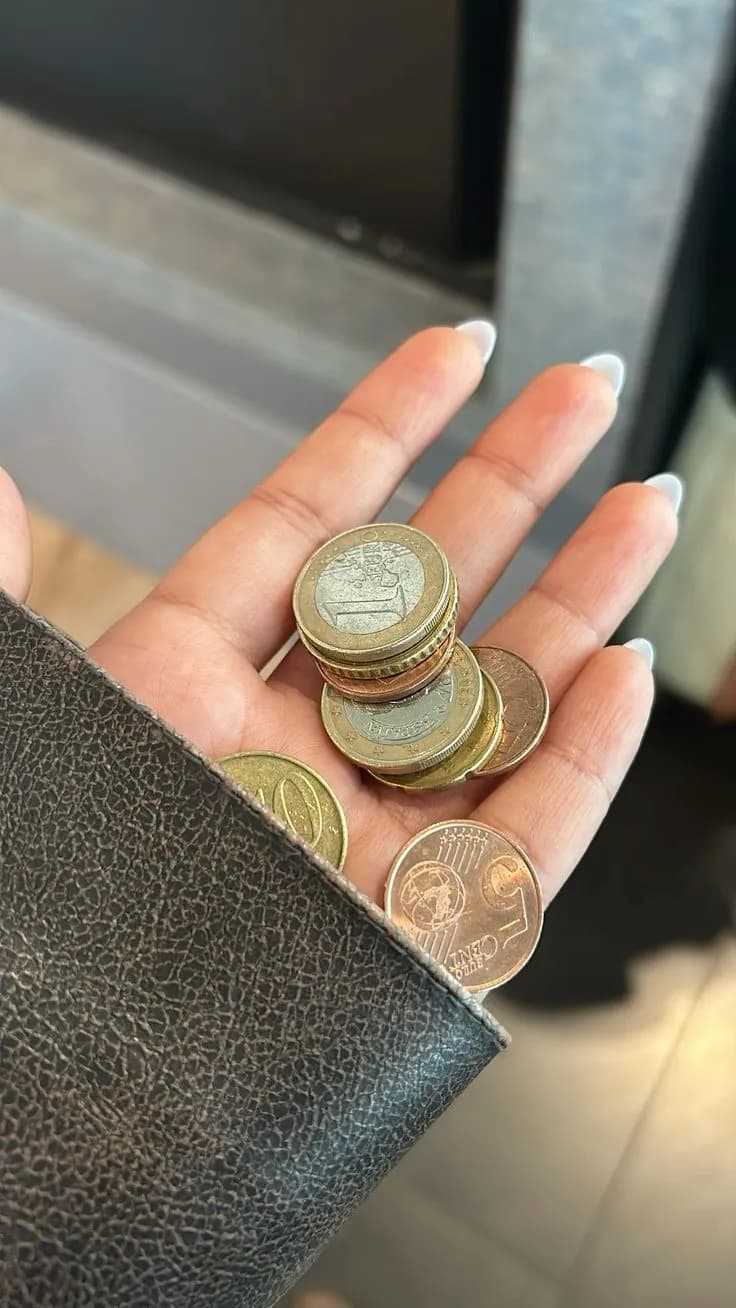
Paying to use a bathroom shocks a lot of first-time visitors. Public toilets at train stations and in city centers often cost €0.50 to €1.50. At German train stations, for example, it's usually €1 to €1.50. Some take cards now, but plenty still only take coins.
Several people in the replies shared the same trick: use the bathroom wherever you've already paid. Museums, restaurants and cafes are usually free for customers. So when you sit down for a coffee, go before you leave. And keep a few coins in an easy pocket for the moments you can't plan.
Bonus: not all of Europe uses the euro
The UK, Switzerland, Czechia, Poland, Hungary, Denmark and Sweden all have their own currencies. Cards work almost everywhere, but keep a little cash for markets and small cafes. And when a card machine asks whether to pay in your home currency or the local one, always choose the local currency. Your own bank's exchange rate is almost always better.
Water, food and Sundays
3. Bring a refillable bottle
This was one of the most common replies, usually from people who were surprised how much they spent on tiny bottles of water. In restaurants, water often isn't free: you'll be asked "still or sparkling?", and a bottle lands on your bill. Free refills are rare, and so is a big glass of ice.
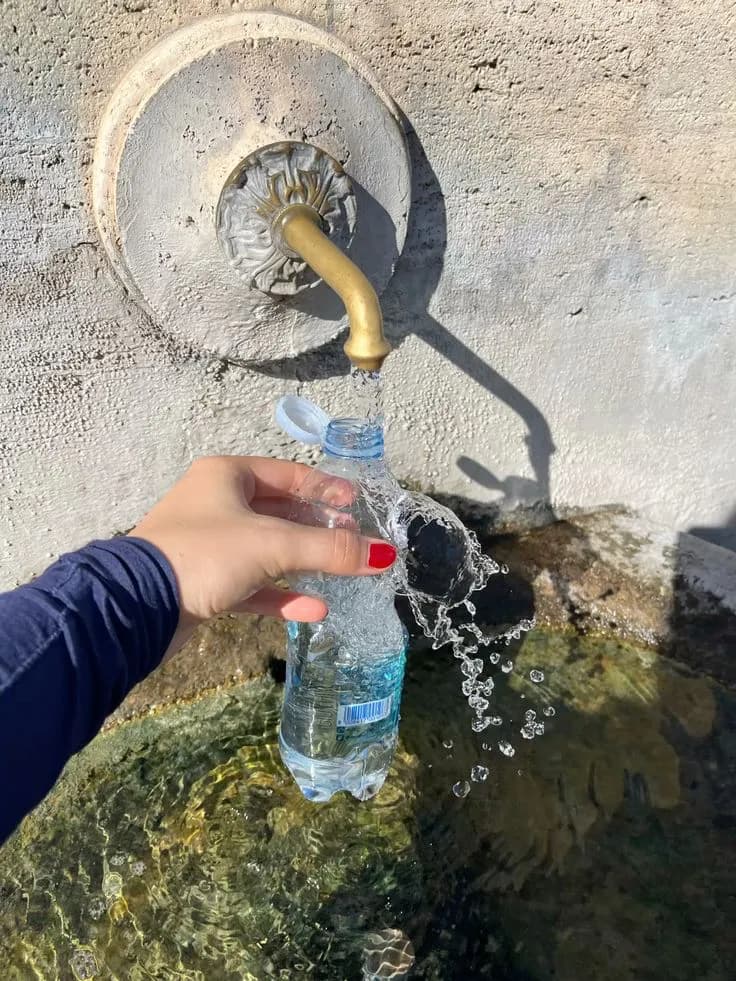
The good news: tap water is safe to drink in most of Western and Northern Europe. Cities also make refilling easy. In Rome, the little street fountains called nasoni run nonstop with cold, drinkable water, and there are around 2,500 of them. Paris has its green Wallace fountains. A refillable bottle saves you a few euros a day, and in summer it makes walking around much more pleasant.
4. Expect shops to close on Sundays
In Germany and Austria, most shops and supermarkets are closed on Sundays. Shops at large train stations and airports are usually the exception. In Southern Europe, many small shops also close for a few hours in the afternoon.
Plan your groceries for Saturday, and keep Sunday for parks, museums and long lunches. That's what the locals do. If you're in Paris, it's a good day for the museums most tourists skip.
Packing and hotels
5. Pack lighter than you think
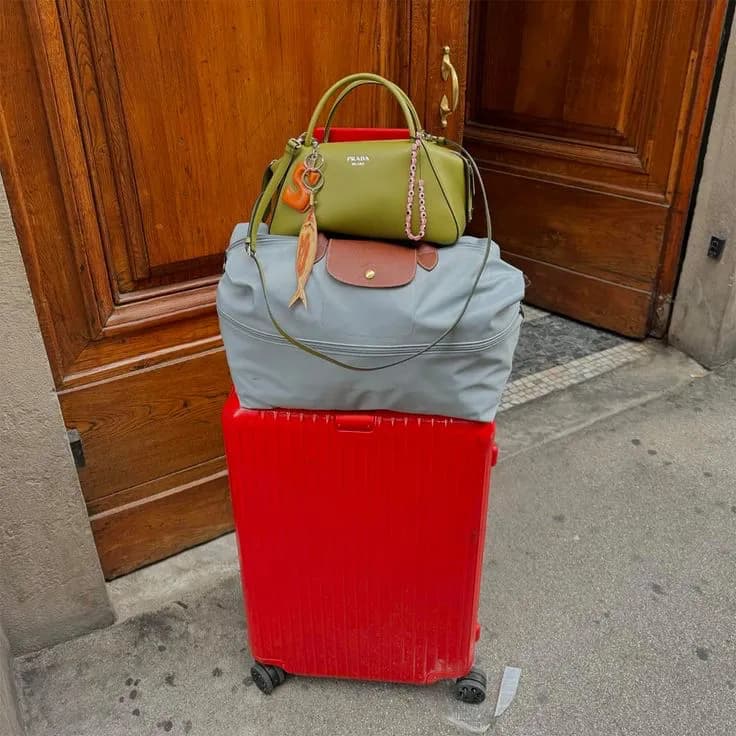
Almost everyone who answered with a packing tip said the same thing: you'll carry your suitcase far more than you roll it. Old town centers are full of cobblestones, steep streets and stairs. Metro stations often have no elevator, older hotels and apartments might be on the fourth floor with no elevator at all, and luggage space on trains is limited.
A carry-on and a backpack go a long way. Many places have laundromats, and plenty of apartments have a washing machine, so you can pack for a week even on a two-week trip. And whatever you pack, bring comfortable shoes. You'll walk more than you expect, and it's usually the best part.
6. Hotel rooms work differently
A lot of replies were about small surprises at check-in:
- Rooms are smaller, especially in older city centers. That's normal, not a bad hotel.
- A "double" or even a "king" bed can be two single beds pushed together, sometimes with two separate duvets.
- The power turns on with your key card. Many hotels have a slot by the door, and nothing works until your card is in it.
- Washcloths are rare. If you use one, pack your own.
- Breakfast varies a lot. Sometimes it's a full buffet, sometimes a coffee and a croissant. Check whether it's included before you book.
If the room prices make you wince, we wrote up a few ways to pay less for a place to stay.

7. Check for AC before you book
Air conditioning came up a lot, often from people who'd had a sleepless night in July. It depends a lot on where you go. In Spain, Italy and Greece, most hotels have AC because they need it. Further north, in places like Germany, the UK, the Netherlands or Scandinavia, many buildings simply don't have it, because summers used to be mild.
Older apartments anywhere, including in Paris and Rome, are the riskiest. If you're traveling between May and September and AC matters to you, look for it in the listing. If it's not listed, assume it isn't there.
Getting around like a local
8. Learn three words
Hello, please, thank you in the local language. In Germany that's "Hallo, Bitte, Danke". In Italy, "Ciao" or "Buongiorno, Per favore, Grazie". In Spain, "Hola, Por favor, Gracias".
It takes ten minutes to learn, and the replies were clear on why it matters: people notice the effort, and they often switch to English as soon as you try. In France especially, say "Bonjour" when you walk into a shop or a cafe. Skipping it comes across as rude, and saying it changes the whole conversation.
9. Know the unwritten rules
Every country has rules locals follow without thinking. Breaking them won't get you arrested, but you'll get looks (or a bell in your face).
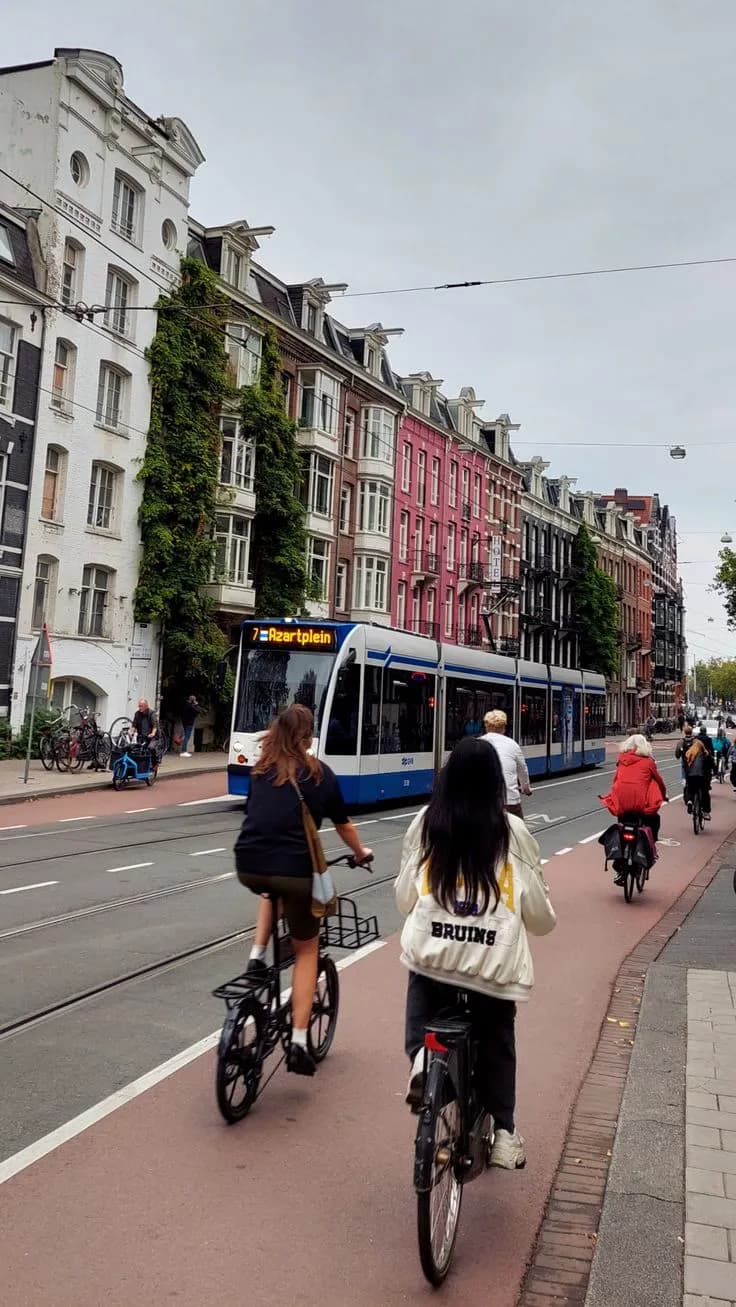
- Amsterdam: the red lanes are bike lanes, not sidewalks. Cyclists move fast and will not stop for you. Look both ways for bikes, not just cars.
- Germany: on the Autobahn, the left lane is only for passing. Move back to the right as soon as you've passed.
- London and most big cities: on escalators, stand on the right and walk on the left.
- Germany, too: crossing on a red light, even on an empty street, gets disapproving looks, especially when kids are around.
One more from us: keep your phone and wallet in a front pocket or a zipped bag in busy places. Pickpockets work crowded metro cars and big sights, not quiet streets.
10. Validate your ticket in Italy and Germany
If you buy a paper ticket for a regional train in Italy, stamp it in the small machine on the platform before you board. An unvalidated paper ticket counts as no ticket, and you can be fined even though you paid. Digital regional tickets from the official Trenitalia app validate themselves automatically.
Germany works the same way on city transport. In Berlin and Munich, a paper ticket from a machine has to be stamped before you ride the U-Bahn, S-Bahn, bus or tram, or you can be fined €60. Tickets bought in the official apps are valid from the moment you buy them.
Trains in general are one of the best parts of traveling in Europe. They take you from city center to city center, and on many routes they're faster than flying once you count the time at the airport.
Going with friends?
Most of these tips get more useful when there are six of you. Six people need six bathroom coins at the station. A restaurant in Rome adds a coperto for every seat. And "two singles pushed together" sounds a lot better when you're sharing a room with a friend than with a partner.
The hardest part of a first trip to Europe often isn't the trip itself. It's getting everyone to agree on where and when, especially when your friends live in different cities, have different budgets and want different things. Someone is free in May, someone else only in September, and the group chat goes quiet.
That's the part we built Rendezvous for. Everyone adds their own city, dates and vibe, and we suggest one place that works for the whole group. Then you vote, book, and actually go.
Preguntas frecuentes
Do you tip in Europe?
Tipping in Europe is much smaller than in the US and is rarely expected. Servers are paid a full wage, so rounding up or leaving 5 to 10% for great service is a kind extra, not a rule. In France, service is already included in menu prices by law, and in Italy the "coperto" on the bill is a cover charge, not a tip.
Do you have to pay to use the bathroom in Europe?
Often, yes. Public toilets at train stations and in city centers usually cost €0.50 to €1.50, and some still only take coins. Bathrooms in cafes, restaurants and museums are generally free for customers, so the easiest move is to go wherever you've already paid for a coffee, a meal or a ticket.
Is tap water safe to drink in Europe?
Tap water is safe to drink in most of Western and Northern Europe. Restaurants usually serve bottled water and charge for it, so carrying a refillable bottle saves money. Many cities have public drinking fountains, such as the roughly 2,500 nasoni in Rome and the Wallace fountains in Paris.
Do European hotels have air conditioning?
It depends on the country. Most hotels in Spain, Italy and Greece have air conditioning, but many hotels and apartments in Germany, the UK, the Netherlands and Scandinavia don't, because summers there were traditionally mild. If you travel between May and September, check the listing for AC and assume it's missing if it isn't mentioned.
Do Americans need a visa or ETIAS to visit Europe in 2026?
Americans don't need a visa for stays of up to 90 days in any 180-day period in the Schengen Area. The EU plans to launch ETIAS, an online travel authorization, in the last quarter of 2026; once it's live, you'll apply before your trip, so check the official ETIAS site before booking. Your passport must be valid for three months after you leave and issued within the last 10 years.
¿Quieres un viaje completo planificado alrededor de esto?
Dinos tus fechas, presupuesto y estilo. Comparamos Europe con más de 100 destinos y planeamos el viaje en el que todo tu grupo está de acuerdo.
Sigue leyendo

Paris Art Week 2026: Art Basel, satellite fairs and the exhibitions worth your time
Paris Art Week 2026 runs October 19-25. What to see: Art Basel Paris at the Grand Palais, satellite fairs, gallery nights, museums and free street art.
Oct 19, 2026 · 6 min de lectura

3 days in Valencia with your team: where to work, eat and get outside
Spending 3 days in Valencia with your team? Where we worked, ate paella and walked, plus a morning hike near Puçol. A saveable list from our workation.
Oct 14, 2026 · 6 min de lectura

A 5-day Scotland itinerary: 3 days in Edinburgh and a 2-day Highlands road trip
A 5-day Scotland itinerary with 3 days in Edinburgh and a 2-day Highlands road trip via Loch Lomond, Glencoe and Glenfinnan, with drive times and tips.
Oct 9, 2026 · 9 min de lectura